Home Elevator Maintenance: A Jeddah Homeowner's Guide
A practical guide to keeping a residential lift safe and reliable in Jeddah coastal climate, covering service intervals, owner checks, warning signs, and how to choose a trusted maintenance provider.
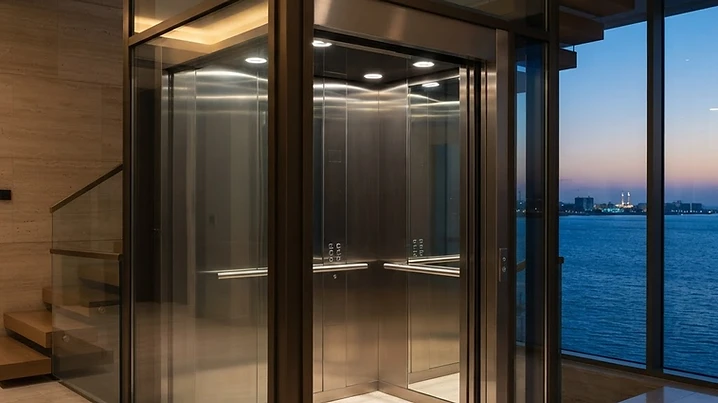
A home elevator in a Jeddah villa needs professional maintenance every 3 to 4 months, not once or twice a year. The city's coastal humidity, which averages close to 60% and climbs higher in late summer, corrodes metal parts and degrades lubricants faster than the dry inland air most maintenance schedules assume. This guide from FUJI TRIENNIUM LIFT covers why that matters, the simple checks you can run between visits, the warning signs that demand urgent action, and how to pick a service provider you can trust. Good home elevator maintenance keeps you ahead of breakdowns instead of reacting to them. A lift that gets regular attention is quieter, safer, and far cheaper to own over its lifetime.
Key takeaways
Before diving into the detail, here are the five points that matter most when maintaining a home elevator in Jeddah:
- Jeddah's average annual humidity sits near 60%, peaking around 67% in September, which speeds corrosion on home elevator parts and justifies shorter service intervals than dry inland cities.
- A well-maintained elevator typically sees 0.5 to 2 breakdowns a year, and owner checks between professional visits catch most problems before they become entrapments.
- Book professional home elevator maintenance every 3 to 4 months in Jeddah's coastal climate rather than the 6 to 12 months common in drier regions.
- Grinding noises, jerky stops, misaligned car floors, and door hesitation are signs your residential lift needs urgent attention, not a wait-and-see approach.
- Choose a provider with genuine local experience, guaranteed response times, and written service records, so corrosion and faults are caught before they cause a breakdown.
Why Home Elevators in Jeddah Villas Need Regular Servicing
Humidity is the main reason home elevator maintenance in Jeddah deserves closer attention than in drier cities. The average relative humidity in Jeddah runs around 60% across the year and peaks near 67% in September (Weather and Climate, 2026). Combined with salt carried in from the Red Sea, that moisture attacks the metal and electrical parts a lift depends on.
- Guide rails develop surface rust. Fasteners and brackets pit and weaken. Electrical contacts and relay points oxidise, which leads to intermittent faults that are hard to trace.
- A component that might last years in a dry climate can show real corrosion within months in a coastal villa.
- Regular servicing counters this in a direct way. Technicians clean and re-lubricate moving parts, replace seals that keep moisture out of enclosures, check for early rust, and tighten hardware before vibration loosens it.
- Skipping visits lets small problems compound quietly until the lift stops working or becomes unsafe.
Simple Checks Owners Can Do Between Professional Visits
Between scheduled visits, a homeowner can safely run a handful of observation checks that catch most emerging faults early. None of these involve opening the shaft, touching wiring, or working on machinery. They take a few minutes and give your FUJI TRIENNIUM LIFT technician a useful head start. Keep a simple log of the date and anything you noticed. Patterns matter: a noise that appears once might be nothing, but the same noise every week is worth reporting.
- Levelling: watch that the car stops flush with each floor. A lip of a centimeter or more is an early sign of a control or brake issue.
- Sound: listen for new grinding, clicking, or screeching. A smooth lift should sound consistent trip to trip.
- Doors: confirm doors open and close fully and smoothly, without hesitating or reopening for no reason.
- Buttons and lights: press every floor button and check that indicators and cabin lighting all respond.
- Alarm and phone: test the alarm button and the emergency phone or intercom so you know help is reachable if someone is ever trapped.
Signs Your Residential Lift Needs Urgent Attention
Some symptoms mean you should stop using the lift and call your provider the same day. These are not wait-and-see problems. Acting early protects both the people in your home and the equipment itself, since a fault left running usually damages more parts. In Jeddah's climate, corrosion often sits behind these symptoms. A rusted guide rail can make a ride rough; an oxidised contact can make a button intermittent; a corroded door track can cause hesitation.
- Grinding, screeching, or banging that is new or getting louder.
- Jerky, sudden, or uneven movement instead of a smooth ride.
- A car floor that no longer lines up with the landing when the doors open.
- Doors that hesitate, stick, or reopen repeatedly.
- Burning smells or visible smoke, which point to an electrical or motor fault.
- A failed alarm, phone, or emergency light, because safety systems must always work.
- Unexplained stops between floors or the car refusing to respond.
Home Elevator Maintenance Intervals for Jeddah's Humid Climate
Plan professional home elevator maintenance every 3 to 4 months in Jeddah, rather than the 6 to 12 months often quoted for dry climates. The steady coastal humidity, which averages near 60% annually and rises toward 67% in September, shortens the useful life of lubricants and protective coatings (Weather and Climate, 2026). Shorter intervals keep ahead of that wear. There is no single legal number that fits every home lift. The widely referenced elevator safety code, ASME A17.1, requires each elevator to have a written maintenance control program with intervals matched to its usage and operating environment rather than a fixed universal schedule (ASME, 2026). For a humid coastal home, that principle points toward more frequent attention, not less.
- Every 3 to 4 months: full professional service, including lubrication, corrosion inspection, safety-system tests, and hardware checks.
- Monthly: owner observation checks from the section above.
- After any flood, leak, or major dust storm: an extra inspection, since water intrusion and grit both accelerate damage.
Choosing a Trusted Home-Elevator Service Provider in Jeddah
The right home elevator service provider in Jeddah combines genuine local experience, fast response, and transparent records. Because corrosion here moves quickly, you want a team that understands coastal conditions and can reach your villa promptly when something goes wrong, not one that treats a home lift as an afterthought between commercial jobs. A clear, written maintenance plan is the single best signal of a serious provider. It should state the interval, the scope of each visit, the response commitment, and the price, with no vague language.
- Local track record: how many home elevators do they service in Jeddah, and can they describe how they handle humidity and salt corrosion?
- Response time: what is their guaranteed response time for a breakdown or an entrapment, and is there genuine 24-hour cover?
- Written records: do they leave a dated service report after every visit, listing what was checked, lubricated, and replaced?
- Parts and brands: can they source genuine parts for your specific lift, and how quickly?
- Technician qualifications: are their engineers trained and certified for residential equipment?
Frequently asked questions
Common questions from Jeddah homeowners about residential elevator maintenance:
- How often should a home elevator be serviced in Jeddah? Plan professional maintenance every 3 to 4 months. Jeddah humidity, near 60% on average and higher in late summer, accelerates corrosion and lubricant breakdown, so coastal homes need shorter intervals than the 6 to 12 months typical of dry climates.
- What home elevator checks can I safely do myself? Test the alarm and emergency phone, watch that the car stops level with each floor, listen for new grinding or clicking, and confirm doors open and close smoothly. Never open the shaft, touch wiring, or work on the machinery.
- What are the warning signs a residential lift needs urgent attention? Grinding or screeching, jerky or sudden stops, a car floor that no longer aligns with the landing, doors that hesitate or reopen, burning smells, and any button or alarm that fails. Stop using the lift and call your service provider.
- Does Jeddah's humid climate really affect home elevators? Yes. Salt-laden coastal air and steady humidity corrode guide rails, fasteners, and electrical contacts faster than inland conditions. Components that might last years in a dry city can show rust and pitting within months without proper servicing and sealed enclosures.
Conclusion
Home elevator maintenance in Jeddah is not optional and not something a generic annual visit covers. The city's humidity and salt air corrode parts faster than dry-climate schedules assume, so plan professional servicing every 3 to 4 months, run simple observation checks monthly, and treat grinding noises, jerky rides, or misaligned floors as reasons to call immediately. FUJI TRIENNIUM LIFT offers home elevator maintenance contracts tailored to Jeddah villas, with documented visits, genuine parts, and local technicians who know the coastal climate firsthand. Contact the FUJI TRIENNIUM LIFT service team to book a maintenance assessment and get a written schedule built around your villa's usage and environment.

دليل وأهمية مصاعد فوجي تريينيوم FUJI TRIENNIUM LIFT
تعرّف على خبرة فوجي تريينيوم الممتدة منذ 2010، التزامها بكود EN81 وشهادة سابر، ونظام "الفل باكج" الكامل، وخدمات الصيانة على مدار الساعة في المملكة.

Elevator Safety Standards in Saudi Arabia: EN 81-20/50, SABER & SASO Compliance
How EN 81-20/50 design rules, the SABER conformity program, and SASO standards work together to keep elevators safe, certified, and legal to operate in Saudi Arabia.


Elevator Selection Guide: Matching Lift Type to Building Height and Usage
How to match hydraulic, MRL traction, and geared/gearless systems to building height, size capacity around peak five-minute demand, specify ADA accessibility early, and weigh lifetime service cost, not just purchase price.

Commercial Elevators in Jeddah: Types, Drive Systems, and Local Factors
How to match the four commercial elevator types to building use, choose between traction and hydraulic drives for Jeddah high-rises and low-rises, and account for the coastal climate and 220V/60Hz power supply in every specification.


Elevator Supplier in Jeddah: How to Pick the Right Partner
Pick an elevator supplier in Jeddah by checking three things first: proven local installations, Saudi Building Code compliance, and spare parts stocked inside the Kingdom. Price matters, but a cheaper quote that leaves you waiting weeks for an imported part or an engineer costs far more once your building is live.

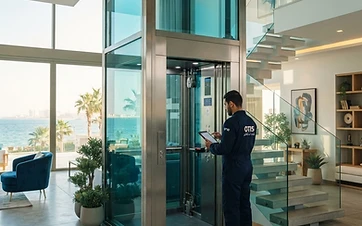
Home Elevator Maintenance Cost in Jeddah 2026
Why the home elevator maintenance cost in Jeddah splits into a predictable contract and a variable repair reserve, how contract and pay-per-visit pricing compare, and the parts, callouts, and modernization costs to budget for across a lift life.

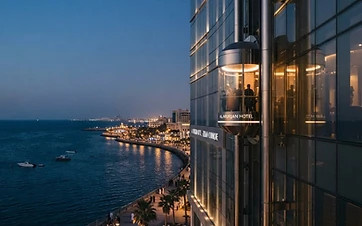
Panoramic Elevators for Jeddah Corniche Hotels
How panoramic elevators turn a hotel ride into a Red Sea viewing experience, the laminated glass and structural allowance that EN 81-20 demands on a coastal tower, and why exposed lifts need tighter cleaning and corrosion care than inland units.

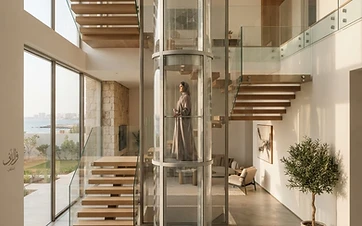
PVE Elevator Installation for Jeddah Homes
How a PVE lift moves on air pressure with no pit, shaft, or machine room, why that suits tight two to four storey Jeddah homes, what the footprint, single-phase power, and floor cut-outs demand, and how ASME A17.1 keeps the unit safe.

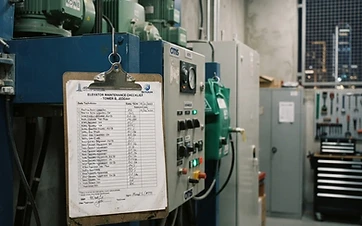
Free Elevator Maintenance Checklist PDF for Jeddah Managers
How a checklist PDF groups tasks by frequency, the four line-item blocks every Jeddah tower needs, why each row carries a named owner and a signature, and why a printed sheet beats an app in a machine room with weak signal.


How to Choose an Elevator: A Practical Selection Guide
Picking the right elevator comes down to five decisions: the drive type, the capacity, the cabin and finishes, the safety and accessibility features, and the long-term service plan. Get those right in order and the rest of the specification falls into place.