Elevator Safety Standards in Saudi Arabia: EN 81-20/50, SABER & SASO Compliance
A practical guide to the international and Saudi conformity frameworks that govern every elevator FUJI TRIENNIUM LIFT installs, imports, and maintains across the Kingdom.

Elevator safety is not a single certificate; it is a layered system of design standards, import conformity, and ongoing maintenance. In Saudi Arabia, three frameworks work together to keep every vertical-transport system legal and safe to operate: the European EN 81-20/50 design code, the SABER conformity assessment program, and the SASO national standards. For architects, developers, and MEP contractors, understanding how these layers fit together is the difference between a smooth handover and a project stalled at inspection. This guide explains each framework in plain terms and shows how FUJI TRIENNIUM LIFT guarantees compliance on every unit it delivers.
EN 81-20 and EN 81-50: the design foundation
EN 81 is the European harmonized standard for elevator safety, split into two parts that together define how a safe elevator is built:
- EN 81-20 sets the design and installation rules for new passenger and goods elevators, covering cab dimensions, door strength, buffer performance, free fall arrest, and the rated loads and speeds an elevator is permitted to run at.
- EN 81-50 defines the testing and calculation rules for the elevator components themselves, including safety gear, buffers, and overspeed governors, the devices that stop the cab safely if anything fails.
- Compliance with EN 81-20/50 ensures the elevator is engineered to fail safe: if a cable, brake, or control fault occurs, the mechanical safety devices activate and bring the cab to a controlled stop before any risk reaches a passenger.
SASO: the Saudi national standards
The Saudi Standards, Metrology and Quality Organization (SASO) publishes national technical standards and is the authority that decides which products may enter the Saudi market:
- SASO adopts international references such as EN 81 and adapts them into Saudi standards, so the safety baseline matches global best practice but is enforced locally.
- Electrical, mechanical, and fire-safety requirements specific to the Saudi climate, high ambient temperatures, and dust exposure are layered on top of the base code.
- Any elevator imported into the Kingdom must be registered against the applicable SASO standard before it can clear customs and be installed on site.
SABER: the conformity and certification portal
SABER is the electronic conformity assessment system operated by SASO. It is the platform where a product is evaluated, certified, and registered for the Saudi market:
- Every imported elevator requires a Certificate of Conformity (CoC) issued through SABER by an approved conformity assessment body before shipment.
- The CoC confirms the unit meets its applicable SASO standard; without it, the shipment is blocked at Saudi customs.
- Each elevator FUJI TRIENNIUM LIFT supplies is accompanied by its SABER certificate, so the developer or contractor can prove compliance to the Civil Defense and the municipality at handover.
How the three layers work together
The frameworks are sequential rather than competing. Each one builds on the previous to take a safe elevator from the factory floor to a certified, legal installation:
- Design stage: the elevator is engineered to EN 81-20/50, so it is inherently safe by construction.
- Import stage: SABER verifies that the manufactured unit matches the standard and issues the Certificate of Conformity, satisfying SASO.
- Installation stage: the unit is installed and commissioned per the manufacturer requirements, then registered for periodic inspection.
- Operation stage: mandatory periodic maintenance and safety inspections keep the certificate valid throughout the elevator service life.
What this means for your project
Choosing a supplier that delivers the full compliance package removes risk from the procurement and handover process:
- Full-package import: FUJI TRIENNIUM LIFT imports every component, the machine, cab, controller, and doors from a single manufacturer, avoiding the uncontrolled local assembly that breaks the compliance chain.
- Certificate of origin: a verified certificate of origin accompanies each unit, confirming the product is 100% original and free of counterfeit parts.
- SABER certificate on handover: the SABER Certificate of Conformity is delivered with the elevator, so the project passes Civil Defense and municipal inspection without delay.
- Maintenance that protects compliance: scheduled safety inspections of buffers, brakes, and ropes keep the unit within its certified operating condition for its entire service life.
Conclusion
Elevator safety in Saudi Arabia is a chain of three links, EN 81-20/50 for safe design, SASO for national standards, and SABER for verified conformity. A unit is only as compliant as the weakest link in that chain. By supplying fully imported units with certificate of origin and SABER certification, and backing them with 24/7 maintenance, FUJI TRIENNIUM LIFT keeps every link intact, so your project is safe, legal, and ready to operate on day one.

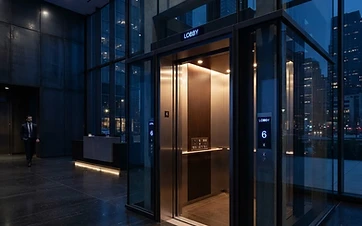
دليل وأهمية مصاعد فوجي تريينيوم FUJI TRIENNIUM LIFT
تعرّف على خبرة فوجي تريينيوم الممتدة منذ 2010، التزامها بكود EN81 وشهادة سابر، ونظام "الفل باكج" الكامل، وخدمات الصيانة على مدار الساعة في المملكة.


Elevator Selection Guide: Matching Lift Type to Building Height and Usage
How to match hydraulic, MRL traction, and geared/gearless systems to building height, size capacity around peak five-minute demand, specify ADA accessibility early, and weigh lifetime service cost, not just purchase price.

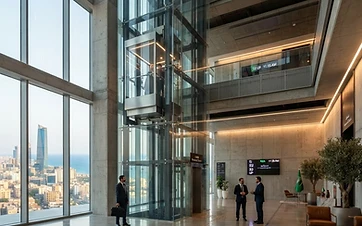
Commercial Elevators in Jeddah: Types, Drive Systems, and Local Factors
How to match the four commercial elevator types to building use, choose between traction and hydraulic drives for Jeddah high-rises and low-rises, and account for the coastal climate and 220V/60Hz power supply in every specification.


Home Elevator Maintenance: A Jeddah Homeowner's Guide
Why Jeddah humidity shortens home elevator service intervals, the simple checks owners can do between visits, the warning signs that demand urgent attention, and how to choose a maintenance provider for your villa.


Elevator Supplier in Jeddah: How to Pick the Right Partner
Pick an elevator supplier in Jeddah by checking three things first: proven local installations, Saudi Building Code compliance, and spare parts stocked inside the Kingdom. Price matters, but a cheaper quote that leaves you waiting weeks for an imported part or an engineer costs far more once your building is live.

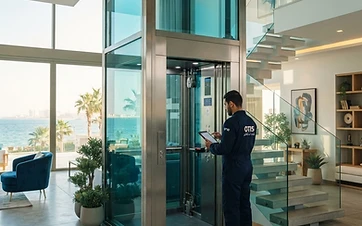
Home Elevator Maintenance Cost in Jeddah 2026
Why the home elevator maintenance cost in Jeddah splits into a predictable contract and a variable repair reserve, how contract and pay-per-visit pricing compare, and the parts, callouts, and modernization costs to budget for across a lift life.

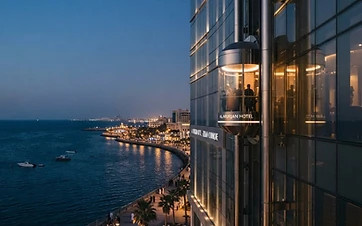
Panoramic Elevators for Jeddah Corniche Hotels
How panoramic elevators turn a hotel ride into a Red Sea viewing experience, the laminated glass and structural allowance that EN 81-20 demands on a coastal tower, and why exposed lifts need tighter cleaning and corrosion care than inland units.

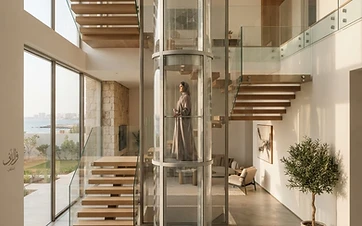
PVE Elevator Installation for Jeddah Homes
How a PVE lift moves on air pressure with no pit, shaft, or machine room, why that suits tight two to four storey Jeddah homes, what the footprint, single-phase power, and floor cut-outs demand, and how ASME A17.1 keeps the unit safe.

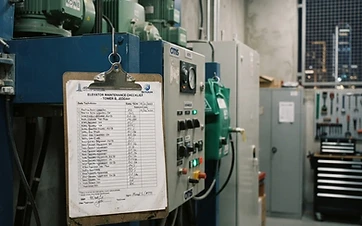
Free Elevator Maintenance Checklist PDF for Jeddah Managers
How a checklist PDF groups tasks by frequency, the four line-item blocks every Jeddah tower needs, why each row carries a named owner and a signature, and why a printed sheet beats an app in a machine room with weak signal.


How to Choose an Elevator: A Practical Selection Guide
Picking the right elevator comes down to five decisions: the drive type, the capacity, the cabin and finishes, the safety and accessibility features, and the long-term service plan. Get those right in order and the rest of the specification falls into place.