Elevator Selection Guide: Matching Lift Type to Building Height and Usage
A practical five-step framework for specifying the right elevator, from drive type and capacity to cabin, safety, and long-term service, written for building and construction professionals in Saudi Arabia.
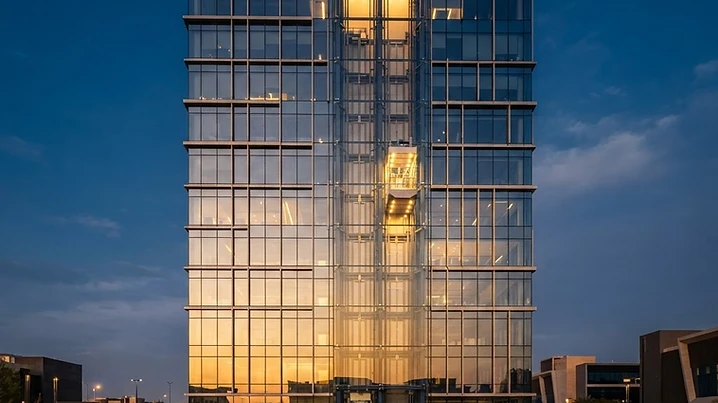
Picking the right elevator comes down to five decisions: the drive type, the capacity, the cabin and finishes, the safety and accessibility features, and the long-term service plan. Get those right in order and the rest of the specification falls into place. This elevator selection guide walks through each step so you can brief a supplier with confidence instead of guessing. Elevators are a long-lived investment. The global elevator market reached USD 110.0 billion in 2025 and is projected to grow to USD 160.9 billion by 2035 (Global Market Insights, 2025). A lift you install today will likely run for decades, so the choices below shape daily building life for a long time. FUJI TRIENNIUM LIFT works with building and construction professionals in Saudi Arabia to translate these decisions into a workable specification.
Key takeaways
Before diving into the detail, here are the five decisions that matter most and the order to make them in:
- Start with building height and traffic. Hydraulic lifts suit low-rise buildings, machine-room-less traction fits mid-rise, and geared or gearless traction serves high-rise towers.
- Size capacity around peak five-minute demand, not just the number of floors, so passengers are not left waiting during morning arrivals.
- Specify accessibility early. ADA Section 407 sets rules for call-button reach, door-open timing, and two-way emergency communication inside the car.
- Maintenance and repair account for roughly 47% of global elevator industry revenue in 2025, so weigh lifetime service cost, not just the purchase price.
- Brief your supplier with a written checklist covering height, traffic, capacity, finishes, codes, budget, and lead time to get accurate, comparable quotes.
How do you match elevator type to building height?
Building height is the first filter when you choose an elevator. Hydraulic lifts suit low-rise buildings of roughly two to five floors. Machine-room-less (MRL) traction elevators cover most mid-rise work. Geared and gearless traction systems serve taller towers where higher speed and longer travel are needed.
- The market reflects this split. MRL traction held about 35.0% of elevator market revenue in 2025, while hydraulic systems held about 15.0% (Global Market Insights, 2025).
- MRL designs remove the separate machine room, which frees floor space and simplifies the building layout.
- Usage matters as much as height. A residential block, a hospital, and a warehouse with the same number of floors need different lifts.
- Think about whether the car carries people, beds and stretchers, or heavy goods, and whether it runs occasionally or all day.
- FUJI TRIENNIUM LIFT groups its product range and technical resources around these usage patterns so you can start from the right family of lifts.
Sizing capacity around peak demand
Capacity is not just about how many people fit in the car; it is about how many people the system can move during the building busiest five minutes. Sizing by floor count alone leaves passengers waiting during morning arrivals and lunch rushes.
- Calculate the peak five-minute demand, usually the morning up-peak, to determine the required handling capacity.
- Factor in the building population, floor count, and expected traffic pattern (residential, office, hospital, or mixed-use).
- A larger car is not always the answer. Two smaller cars with good zoning can outperform one large car in mid-rise buildings.
- Destination dispatch systems further improve handling capacity by grouping passengers traveling to the same floors.
Specifying accessibility early
Accessibility is not an add-on. Specifying it early in the design avoids costly retrofits and ensures compliance from day one. ADA Section 407 sets the baseline rules for accessible elevators:
- Call buttons must be within reach range and operable with one hand without tight grasping or twisting.
- Door-open timing must allow enough time for a person with limited mobility to enter and exit safely.
- Two-way emergency communication inside the car must be accessible to passengers with speech or hearing difficulties.
- Interior dimensions and control placement must accommodate wheelchairs and stretchers where applicable.
Weighing lifetime service cost
The purchase price is only part of the total cost of ownership. Maintenance and repair account for roughly 47% of global elevator industry revenue in 2025, which tells you where the long-term money goes. A cheaper unit with expensive parts and slow service response costs more over its lifetime.
- Ask the supplier about spare parts availability, lead times, and whether parts are imported or locally stocked.
- Compare maintenance contract terms: scheduled inspections, emergency response time, and 24/7 coverage.
- Consider modernization readiness. Will the controller and drive be supportable in ten years, or will you face an early full modernization?
- FUJI TRIENNIUM LIFT backs every installation with 24/7 maintenance and locally supported spare parts to keep lifetime cost predictable.
Briefing your supplier: a written checklist
A written checklist turns a vague enquiry into a precise specification and lets you compare quotes on equal terms. Cover these seven points before you request a quote:
- Building height: total travel, number of floors, and floor-to-floor height.
- Traffic: building population, peak demand period, and expected arrival pattern.
- Capacity: required rated load and car size (passengers, beds, or goods).
- Finishes: cabin walls, ceiling, lighting, flooring, and door finish.
- Codes: EN 81-20/50, SASO, SABER, ADA, and any local Civil Defense requirements.
- Budget: a realistic range that includes installation, not just the equipment.
- Lead time: when the unit must be on site and operational.
Conclusion
Choosing the right elevator is a sequence of five decisions made in the right order: drive type, capacity, cabin and finishes, safety and accessibility, and long-term service. Start with building height and peak traffic, specify accessibility early, weigh lifetime service cost over purchase price, and brief your supplier with a written checklist. Follow this framework and the specification falls into place, your quotes become comparable, and the lift you install will serve the building reliably for decades.

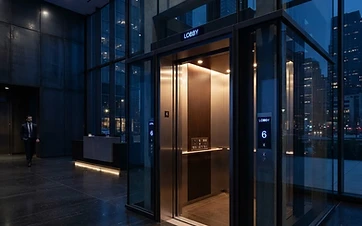
دليل وأهمية مصاعد فوجي تريينيوم FUJI TRIENNIUM LIFT
تعرّف على خبرة فوجي تريينيوم الممتدة منذ 2010، التزامها بكود EN81 وشهادة سابر، ونظام "الفل باكج" الكامل، وخدمات الصيانة على مدار الساعة في المملكة.

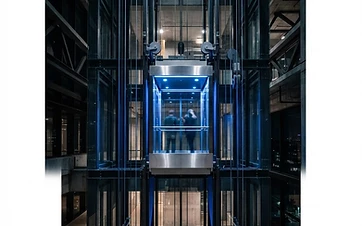
Elevator Safety Standards in Saudi Arabia: EN 81-20/50, SABER & SASO Compliance
How EN 81-20/50 design rules, the SABER conformity program, and SASO standards work together to keep elevators safe, certified, and legal to operate in Saudi Arabia.

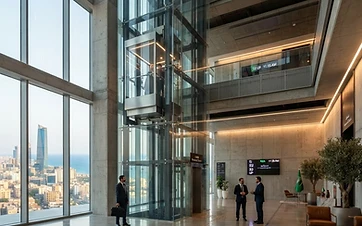
Commercial Elevators in Jeddah: Types, Drive Systems, and Local Factors
How to match the four commercial elevator types to building use, choose between traction and hydraulic drives for Jeddah high-rises and low-rises, and account for the coastal climate and 220V/60Hz power supply in every specification.


Home Elevator Maintenance: A Jeddah Homeowner's Guide
Why Jeddah humidity shortens home elevator service intervals, the simple checks owners can do between visits, the warning signs that demand urgent attention, and how to choose a maintenance provider for your villa.


Elevator Supplier in Jeddah: How to Pick the Right Partner
Pick an elevator supplier in Jeddah by checking three things first: proven local installations, Saudi Building Code compliance, and spare parts stocked inside the Kingdom. Price matters, but a cheaper quote that leaves you waiting weeks for an imported part or an engineer costs far more once your building is live.

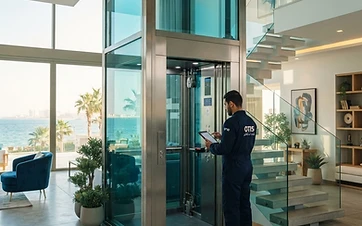
Home Elevator Maintenance Cost in Jeddah 2026
Why the home elevator maintenance cost in Jeddah splits into a predictable contract and a variable repair reserve, how contract and pay-per-visit pricing compare, and the parts, callouts, and modernization costs to budget for across a lift life.

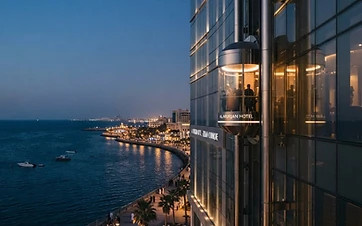
Panoramic Elevators for Jeddah Corniche Hotels
How panoramic elevators turn a hotel ride into a Red Sea viewing experience, the laminated glass and structural allowance that EN 81-20 demands on a coastal tower, and why exposed lifts need tighter cleaning and corrosion care than inland units.

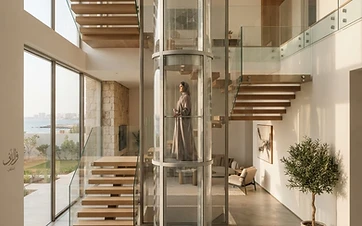
PVE Elevator Installation for Jeddah Homes
How a PVE lift moves on air pressure with no pit, shaft, or machine room, why that suits tight two to four storey Jeddah homes, what the footprint, single-phase power, and floor cut-outs demand, and how ASME A17.1 keeps the unit safe.

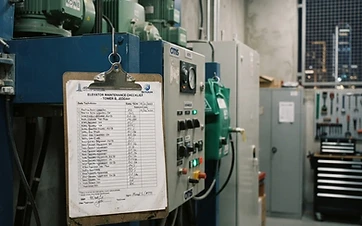
Free Elevator Maintenance Checklist PDF for Jeddah Managers
How a checklist PDF groups tasks by frequency, the four line-item blocks every Jeddah tower needs, why each row carries a named owner and a signature, and why a printed sheet beats an app in a machine room with weak signal.


How to Choose an Elevator: A Practical Selection Guide
Picking the right elevator comes down to five decisions: the drive type, the capacity, the cabin and finishes, the safety and accessibility features, and the long-term service plan. Get those right in order and the rest of the specification falls into place.