Home Elevator Maintenance Cost in Jeddah 2026
A practical 2026 budget guide for Jeddah villa owners, covering what drives the annual home elevator maintenance cost, contract versus pay-per-visit pricing, hidden parts and callout charges, and the ASME A17.1 compliance work that never disappears.
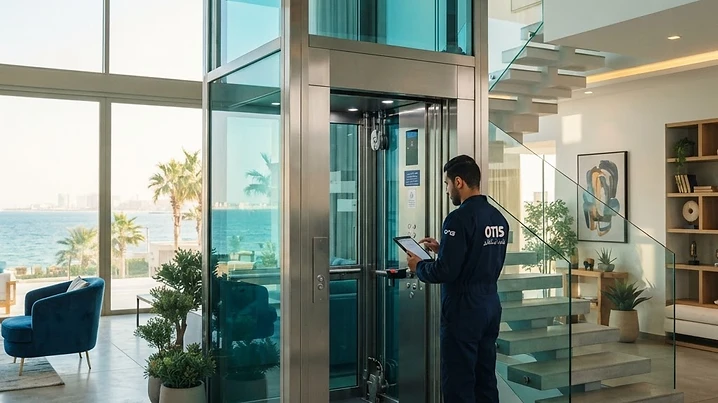
A Jeddah villa lift is cheapest to run when you pay a fixed annual service-contract fee and set aside a smaller reserve for parts and the occasional callout. The headline figure most owners care about, the home elevator maintenance cost, is really two numbers: the predictable contract and the variable repair spend that depends on your lift's age, drive type, and how hard the coastal climate works it. This guide breaks down what shapes those numbers in Jeddah in 2026, how contract pricing compares with paying per visit, and where the hidden costs hide. The aim is to help you set a realistic budget before you sign anything, whether your lift is a new vacuum unit or a decade-old hydraulic system.
Key takeaways
Before diving into the detail, here are the five points that matter most when budgeting home elevator maintenance in Jeddah:
- Most Jeddah villa lift owners pay a predictable annual fee for a service contract, plus occasional charges for parts and emergency callouts.
- Contract pricing buys scheduled visits and faster response; pay-per-visit suits lightly used lifts but exposes you to callout and diagnostic fees.
- Drive type, lift age, usage, and climate exposure are the biggest factors behind one Jeddah home paying far more than another.
- ASME A17.1 sets an annual safety inspection and a five-year full-load test, so compliance work is a recurring budget line, not a one-off.
- Budget for the contract plus a parts-and-repair reserve, because wear items and the occasional callout are predictable over a lift life.
What Affects Home Elevator Maintenance Cost in Jeddah?
Five factors move the price more than any brochure rate: drive type, lift age, usage level, parts availability, and climate exposure. Jeddah adds a real variable here. The city sits on the Red Sea, and the mix of heat, humidity, and salt-laden air puts steady stress on seals, cables, guide rails, and control electronics, which shortens service intervals for components that would last longer inland.
- Drive type sets the baseline. Hydraulic lifts need oil checks, seal inspections, and ram care, so they usually carry higher routine labor than a comparable traction lift. Vacuum (pneumatic) home lifts have fewer moving parts and often sit at the lower end. If you are still choosing a system, the running cost difference is worth weighing before you install, not after.
- Age is the second lever. A lift under warranty costs little beyond routine visits. Once a system passes roughly ten years, wear items need replacing more often, and obsolete parts can force a modernization conversation that a newer lift simply does not trigger.
Typical Annual Maintenance Cost Ranges for 2026
A single home elevator maintenance cost figure does not exist, because pricing scales with the five factors above. What you can plan around is a tiered structure. A basic plan covering a few scheduled visits a year sits at the low end. A comprehensive plan that bundles callouts, priority response, and some wear parts sits higher, and a lightly used vacuum lift will land well below an older hydraulic unit on the same street.
- The wider market helps explain why 2026 is a sensible year to lock in a plan. The Saudi Arabia elevator and escalator market reached USD 1.52 billion in 2025 and is projected to grow at a 4.01% compound annual rate through 2034 (IMARC Group, 2025). A growing installed base means more local technicians and competitive service pricing, which works in a homeowner favor.
- Treat any quote as a starting point. The figure a provider gives you reflects your lift drive type, floors served, and age. Ask for the scope in writing so you can compare plans on the same basis rather than on headline price alone.
Contract vs Pay-Per-Visit Pricing Compared
For a villa lift in daily use, a maintenance contract is usually the better value, while pay-per-visit can win only for a lightly used lift in good condition. A contract converts an unpredictable repair bill into a fixed annual line, bundles the scheduled safety visits you need anyway, and typically gives you faster, cheaper emergency response.
- Pay-per-visit looks cheaper on paper because you only pay when you call. The catch is the callout. Each visit carries a diagnostic or travel fee before any work begins, and a single emergency during a Jeddah summer can wipe out a year of apparent savings. You also lose the scheduled cadence that catches small faults before they strand someone between floors.
- Here is a simple way to decide. If the lift runs several trips a day, serves elderly or mobility-limited residents, or is past warranty, a contract is the safer financial choice. If it is a backup lift used occasionally, pay-per-visit may be defensible. For a structured way to compare providers on scope rather than price alone, see our guide to choosing elevator maintenance companies in Jeddah.
Hidden Costs: Parts, Callouts and Modernization
The contract fee is the visible cost. The spend that surprises owners comes from three places: replacement parts, emergency callouts, and eventual modernization. None of these are optional over a lift life, so the smart move is to expect them rather than react to them.
- Parts are the steady drip. Seals, door operators, roller guides, buffers, and control boards wear out, and Jeddah humidity and salt air speed that up. A contract may cover minor consumables, but major components are usually billed on top. Callouts are the spike. An out-of-hours emergency adds a response fee before any repair, which is exactly what a contract is designed to soften.
- Modernization is the big-ticket item, and it is partly a compliance question. ASME A17.1 requires an annual Category 1 safety inspection and a five-year Category 5 full-load test (OxMaint, 2025). When an older lift repeatedly struggles to pass, replacing the controller or drive is often cheaper over five years than chasing obsolete parts. Budgeting a modernization reserve early turns a shock into a plan.
How to Budget Maintenance for a Jeddah Villa Lift
Build your budget as two buckets: a fixed annual service contract and a separate repair-and-parts reserve. The contract is easy to quote and compare. The reserve is where owners underestimate, because wear items and the odd callout are predictable across a lift life even though you cannot name the date.
- A workable approach is to set the reserve as a percentage of the contract value and leave it untouched until a part fails. Keep a short log of every visit, part, and callout so you can see patterns: a lift that needs three callouts in a year is telling you something about its age or its environment. That record also strengthens your hand when a provider proposes modernization, because you can weigh repair history against the quote.
- Keep two habits. First, book the annual safety inspection and the five-year full-load test on a calendar so compliance never becomes an emergency expense. Second, match the plan to the lift: a new vacuum unit needs less than an aging hydraulic system. When you are ready to compare real plans for your villa, a local provider like FUJI TRIENNIUM LIFT can scope a contract against your lift drive type, age, and usage, which is the only way to turn these ranges into a number you can rely on.
Frequently asked questions
Common questions from Jeddah homeowners about home elevator maintenance cost:
- How much does home elevator maintenance cost in Jeddah per year? Most Jeddah villa owners pay a recurring annual service-contract fee that covers scheduled visits and basic adjustments. Parts, emergency callouts, and major repairs are billed separately, so your true yearly figure depends on the lift age and how often it is used.
- Is a maintenance contract cheaper than paying per visit? For a regularly used villa lift, a contract is usually the better value because it bundles scheduled visits and often discounts callouts. Pay-per-visit can cost less for a lightly used lift, but a single emergency and its diagnostic fee can erase the saving.
- How often does a home elevator in Jeddah need servicing? ASME A17.1 calls for an annual safety inspection and a five-year full-load test. Most providers schedule several routine visits a year on top of that, because Jeddah heat, humidity, and coastal air accelerate wear on seals, cables, and electronics.
- What drives the price of elevator servicing up? Drive type, lift age, usage level, parts availability, and climate exposure are the main cost drivers. Hydraulic lifts and older systems with discontinued parts generally cost more to maintain than newer traction or vacuum lifts in the same home.
- Does FUJI TRIENNIUM LIFT service home elevators in Jeddah? FUJI TRIENNIUM LIFT provides elevator products, technical resources, and service support for building and construction professionals across Jeddah, including residential and villa lifts. A local service relationship keeps response times short and parts sourcing predictable.
Conclusion
The home elevator maintenance cost in Jeddah is really two numbers: a predictable annual service contract and a separate reserve for parts, callouts, and eventual modernization. Drive type, age, usage, and the coastal climate decide where your villa lands on the range, while ASME A17.1 keeps an annual inspection and a five-year full-load test on the calendar forever. Budget both buckets up front, keep a visit log, and match the plan to the lift, and FUJI TRIENNIUM LIFT can turn these ranges into a real contract for your villa in Jeddah.

دليل وأهمية مصاعد فوجي تريينيوم FUJI TRIENNIUM LIFT
تعرّف على خبرة فوجي تريينيوم الممتدة منذ 2010، التزامها بكود EN81 وشهادة سابر، ونظام "الفل باكج" الكامل، وخدمات الصيانة على مدار الساعة في المملكة.

Elevator Safety Standards in Saudi Arabia: EN 81-20/50, SABER & SASO Compliance
How EN 81-20/50 design rules, the SABER conformity program, and SASO standards work together to keep elevators safe, certified, and legal to operate in Saudi Arabia.


Elevator Selection Guide: Matching Lift Type to Building Height and Usage
How to match hydraulic, MRL traction, and geared/gearless systems to building height, size capacity around peak five-minute demand, specify ADA accessibility early, and weigh lifetime service cost, not just purchase price.

Commercial Elevators in Jeddah: Types, Drive Systems, and Local Factors
How to match the four commercial elevator types to building use, choose between traction and hydraulic drives for Jeddah high-rises and low-rises, and account for the coastal climate and 220V/60Hz power supply in every specification.


Home Elevator Maintenance: A Jeddah Homeowner's Guide
Why Jeddah humidity shortens home elevator service intervals, the simple checks owners can do between visits, the warning signs that demand urgent attention, and how to choose a maintenance provider for your villa.


Elevator Supplier in Jeddah: How to Pick the Right Partner
Pick an elevator supplier in Jeddah by checking three things first: proven local installations, Saudi Building Code compliance, and spare parts stocked inside the Kingdom. Price matters, but a cheaper quote that leaves you waiting weeks for an imported part or an engineer costs far more once your building is live.

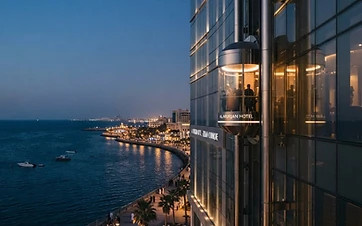
Panoramic Elevators for Jeddah Corniche Hotels
How panoramic elevators turn a hotel ride into a Red Sea viewing experience, the laminated glass and structural allowance that EN 81-20 demands on a coastal tower, and why exposed lifts need tighter cleaning and corrosion care than inland units.

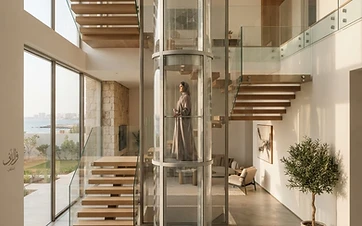
PVE Elevator Installation for Jeddah Homes
How a PVE lift moves on air pressure with no pit, shaft, or machine room, why that suits tight two to four storey Jeddah homes, what the footprint, single-phase power, and floor cut-outs demand, and how ASME A17.1 keeps the unit safe.

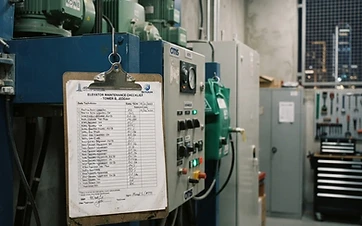
Free Elevator Maintenance Checklist PDF for Jeddah Managers
How a checklist PDF groups tasks by frequency, the four line-item blocks every Jeddah tower needs, why each row carries a named owner and a signature, and why a printed sheet beats an app in a machine room with weak signal.


How to Choose an Elevator: A Practical Selection Guide
Picking the right elevator comes down to five decisions: the drive type, the capacity, the cabin and finishes, the safety and accessibility features, and the long-term service plan. Get those right in order and the rest of the specification falls into place.