Commercial Elevators in Jeddah: Types, Drive Systems, and Local Factors
A practical reference for developers and contractors choosing between passenger, service, freight, and panoramic elevators, and between traction and hydraulic drives for Jeddah offices, malls, and mixed-use projects.
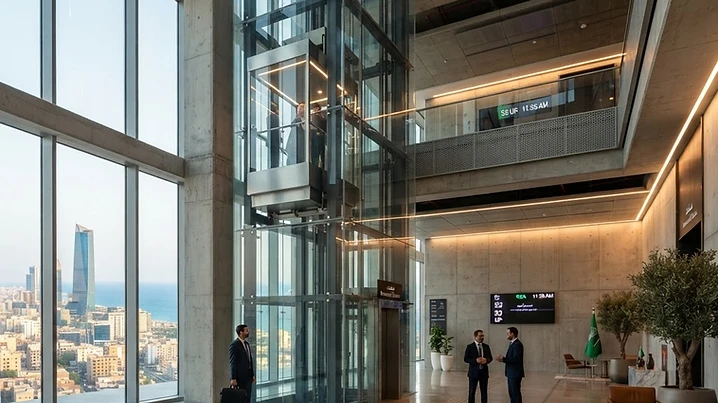
Commercial elevators fall into four main categories: passenger, service, freight, and panoramic. Each one is built for a different job, and picking the wrong category is one of the most expensive mistakes a developer can make on a Jeddah project. FUJI TRIENNIUM LIFT works with developers and contractors across Jeddah to match the right elevator type and drive system to each building. This guide walks through the types of elevators commercial buildings rely on, the drive systems behind them, and the local factors in Jeddah that shape a sound choice. If you are planning an office tower near the Corniche, a retail mall in Al Rawdah, or a mixed-use block downtown, the elevator decision touches cost, tenant satisfaction, and code compliance all at once.
Key takeaways
Before diving into the detail, here are the five points that matter most when specifying a commercial elevator in Jeddah:
- The four core commercial elevator types are passenger, service, freight, and panoramic, each matched to a specific building use and traffic pattern.
- Traction systems suit Jeddah high-rises and busy malls, while hydraulic systems remain practical for low-rise buildings up to about five or six floors.
- Jeddah summer heat near 38 degrees Celsius and high humidity make cooling, corrosion resistance, and ventilation central to elevator selection.
- Saudi commercial buildings run on a 220V, 60Hz supply, so elevator equipment must be specified for that exact combination.
- Match capacity and speed to measured footfall rather than floor count alone to avoid long waits during peak hours.
The four main types of commercial elevators
Commercial buildings generally use one or more of four elevator types. The right mix depends on who uses the building and what moves through it during a normal day.
Passenger elevators
Passenger elevators move people between floors and are the default choice for offices, hotels, and apartment towers. Cars are finished for comfort and appearance, with controlled acceleration and quiet operation. In a Jeddah office building, passenger cars usually carry between 1,000 and 1,600 kilograms, which translates to roughly 13 to 21 people per trip depending on the configuration. For busy towers, the answer is rarely a single larger car. Developers group several cars into a bank controlled by a dispatch system that sends the nearest available car to each call, which keeps wait times short during morning and evening peaks.
Service elevators
Service elevators handle a mix of staff movement and goods. A hotel uses them for housekeeping carts and room service, while an office building uses them for deliveries and maintenance. They look plainer than passenger cars, with tougher wall panels and floors that take knocks and spills. Placing a service elevator out of the public sightline keeps the main lobby calm while back-of-house traffic flows separately.
Freight elevators
Freight elevators carry heavy loads: pallets, equipment, and bulk stock. Warehouses, large retail centers, and industrial buildings in Jeddah logistics zones depend on them. Capacities run well above passenger units, often several thousand kilograms, with reinforced cars, wide door openings, and rugged controls built for repeated heavy use rather than speed.
Panoramic elevators
Panoramic elevators use glass cars that let passengers see out as they travel. They work as both transport and a design feature, common in malls, hotels, and atrium lobbies. In Jeddah, where many commercial projects lean on striking architecture, a panoramic car in a central atrium adds a visible draw. The tradeoff is exposure: glass cars in sunlit atriums need careful attention to heat gain and to corrosion from humid, salt-laden coastal air.
Traction vs hydraulic systems for Jeddah offices and malls
Underneath the car, every commercial elevator uses one of two drive systems, and this choice shapes how high the elevator can travel and how fast.
- Hydraulic elevators push the car up with a fluid-driven piston. They are simpler and cost less to install, and they remain a sensible choice for low-rise commercial buildings of roughly five or six floors. Their practical ceiling on travel height and speed makes them a poor match for taller structures, and in a hot climate the hydraulic fluid heats up under heavy use, which adds a cooling requirement.
- Traction elevators move the car with steel ropes or belts over a driven sheave, balanced by a counterweight. They reach far greater heights and higher speeds, and they use energy more efficiently under constant traffic because the counterweight offsets much of the load.
- For a Jeddah high-rise office or a multi-level mall running cars all day, a traction system is almost always the correct answer. FUJI TRIENNIUM LIFT supplies modern machine-room-less traction designs that also free up building space older systems consumed.
- A quick way to decide: if the building is tall or the elevators run heavily from open to close, choose traction. If it is a short building with light, intermittent traffic, hydraulic can serve well at a lower upfront cost.
Conclusion
Specifying a commercial elevator in Jeddah comes down to matching the four elevator types to the building use, then choosing the drive system that fits the height and traffic. Passenger cars serve offices and hotels, service cars keep back-of-house traffic moving, freight cars handle heavy loads, and panoramic cars turn the elevator into a design feature. For tall or heavily trafficked buildings, traction is almost always right; for short, lightly used buildings, hydraulic keeps the upfront cost down. FUJI TRIENNIUM LIFT pairs every installation with attention to Jeddah heat, humidity, and the 220V/60Hz supply, so the elevator serves the building reliably for its full service life.

دليل وأهمية مصاعد فوجي تريينيوم FUJI TRIENNIUM LIFT
تعرّف على خبرة فوجي تريينيوم الممتدة منذ 2010، التزامها بكود EN81 وشهادة سابر، ونظام "الفل باكج" الكامل، وخدمات الصيانة على مدار الساعة في المملكة.

Elevator Safety Standards in Saudi Arabia: EN 81-20/50, SABER & SASO Compliance
How EN 81-20/50 design rules, the SABER conformity program, and SASO standards work together to keep elevators safe, certified, and legal to operate in Saudi Arabia.


Elevator Selection Guide: Matching Lift Type to Building Height and Usage
How to match hydraulic, MRL traction, and geared/gearless systems to building height, size capacity around peak five-minute demand, specify ADA accessibility early, and weigh lifetime service cost, not just purchase price.


Home Elevator Maintenance: A Jeddah Homeowner's Guide
Why Jeddah humidity shortens home elevator service intervals, the simple checks owners can do between visits, the warning signs that demand urgent attention, and how to choose a maintenance provider for your villa.


Elevator Supplier in Jeddah: How to Pick the Right Partner
Pick an elevator supplier in Jeddah by checking three things first: proven local installations, Saudi Building Code compliance, and spare parts stocked inside the Kingdom. Price matters, but a cheaper quote that leaves you waiting weeks for an imported part or an engineer costs far more once your building is live.

Home Elevator Maintenance Cost in Jeddah 2026
Why the home elevator maintenance cost in Jeddah splits into a predictable contract and a variable repair reserve, how contract and pay-per-visit pricing compare, and the parts, callouts, and modernization costs to budget for across a lift life.

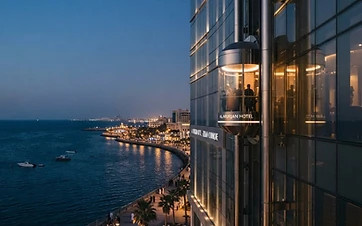
Panoramic Elevators for Jeddah Corniche Hotels
How panoramic elevators turn a hotel ride into a Red Sea viewing experience, the laminated glass and structural allowance that EN 81-20 demands on a coastal tower, and why exposed lifts need tighter cleaning and corrosion care than inland units.

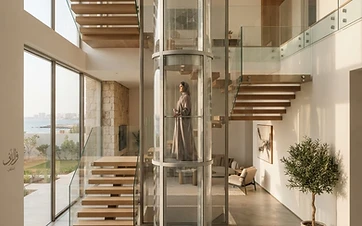
PVE Elevator Installation for Jeddah Homes
How a PVE lift moves on air pressure with no pit, shaft, or machine room, why that suits tight two to four storey Jeddah homes, what the footprint, single-phase power, and floor cut-outs demand, and how ASME A17.1 keeps the unit safe.

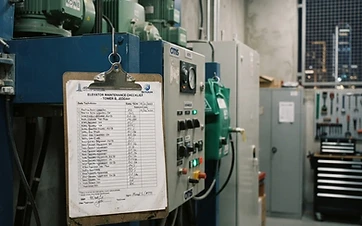
Free Elevator Maintenance Checklist PDF for Jeddah Managers
How a checklist PDF groups tasks by frequency, the four line-item blocks every Jeddah tower needs, why each row carries a named owner and a signature, and why a printed sheet beats an app in a machine room with weak signal.


How to Choose an Elevator: A Practical Selection Guide
Picking the right elevator comes down to five decisions: the drive type, the capacity, the cabin and finishes, the safety and accessibility features, and the long-term service plan. Get those right in order and the rest of the specification falls into place.